Behind the EV Power: The Role of Advanced Aluminum
39 Views |
The EV trend in Thailand is soaring, with more electric vehicles on the road than ever before. While many focus on battery technology and driving range, body structure materials are just as vital.
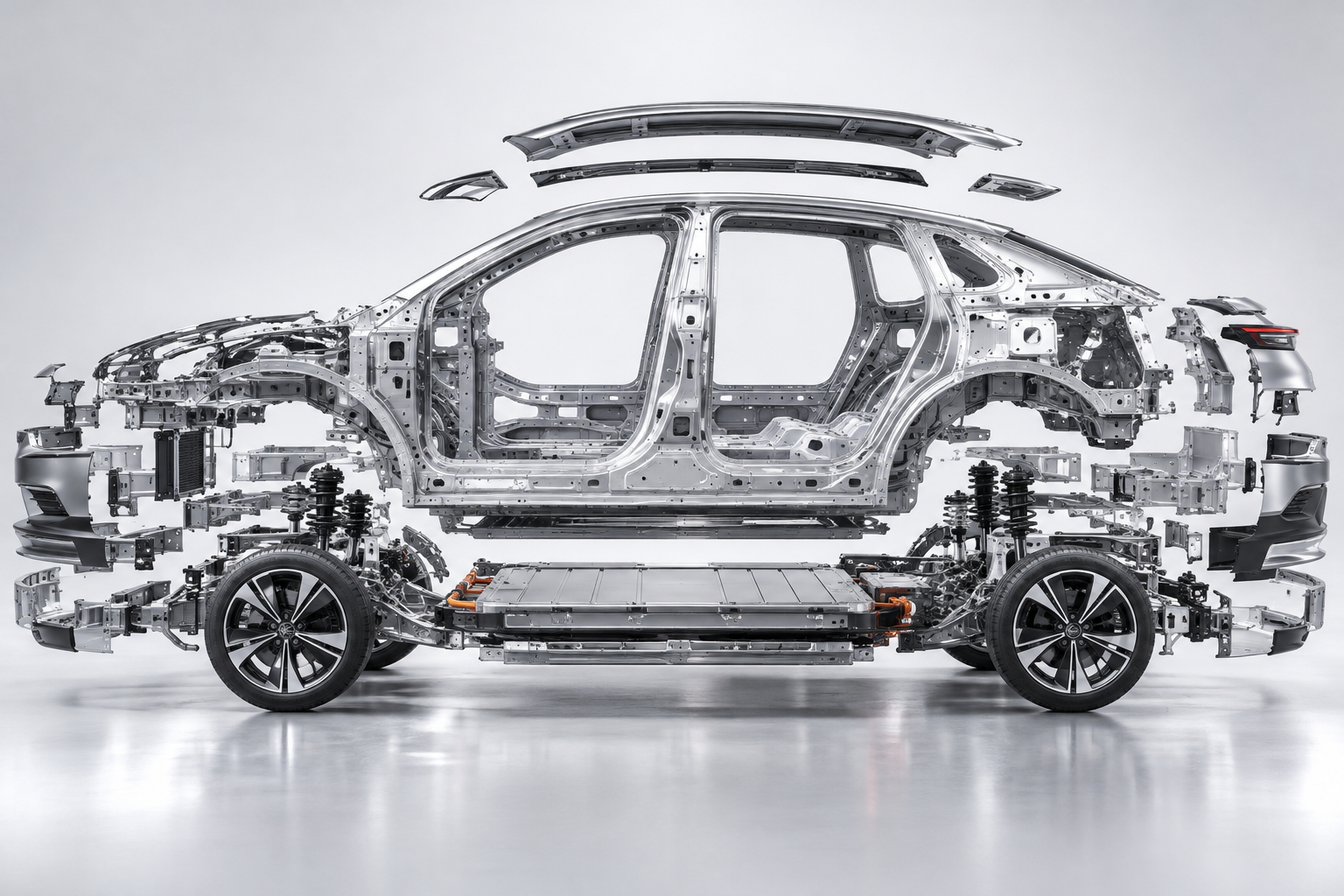
AI-generated visualization (for conceptual illustration purpose)
Why Do Electric Vehicles (EVs) Rely on Aluminum?
- Lightweighting for Extended Range : Being 40% lighter than steel, it helps conserve energy and maximizes driving range per charge.
- High Strength & Superior Protection : Excellent impact-absorption makes it the ideal choice for Battery Trays, ensuring maximum safety for the high-voltage system.
- Eco-Friendly & Sustainable : Nearly 100% recyclable, aligning perfectly with carbon-neutral automotive goals.
Where is Aluminum Used in EVs and What Are Its Functions?
- Roof Rack / Roof Rail : Aluminum profile rails designed for carrying roof cargo.
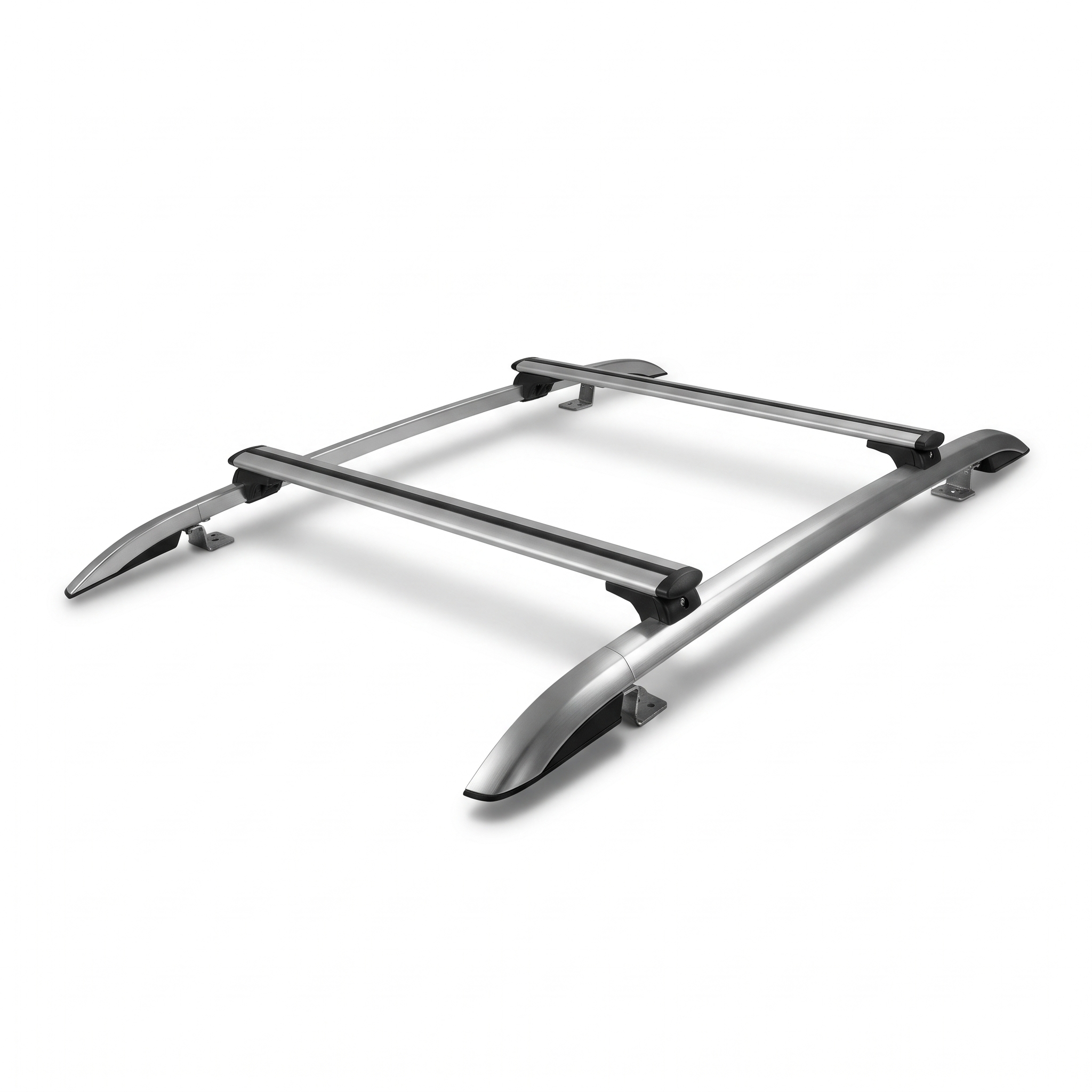
AI-generated visualization (for conceptual illustration purpose)
- Side Step : Aluminum steps for easier entry and exit on SUVs and pickup trucks.
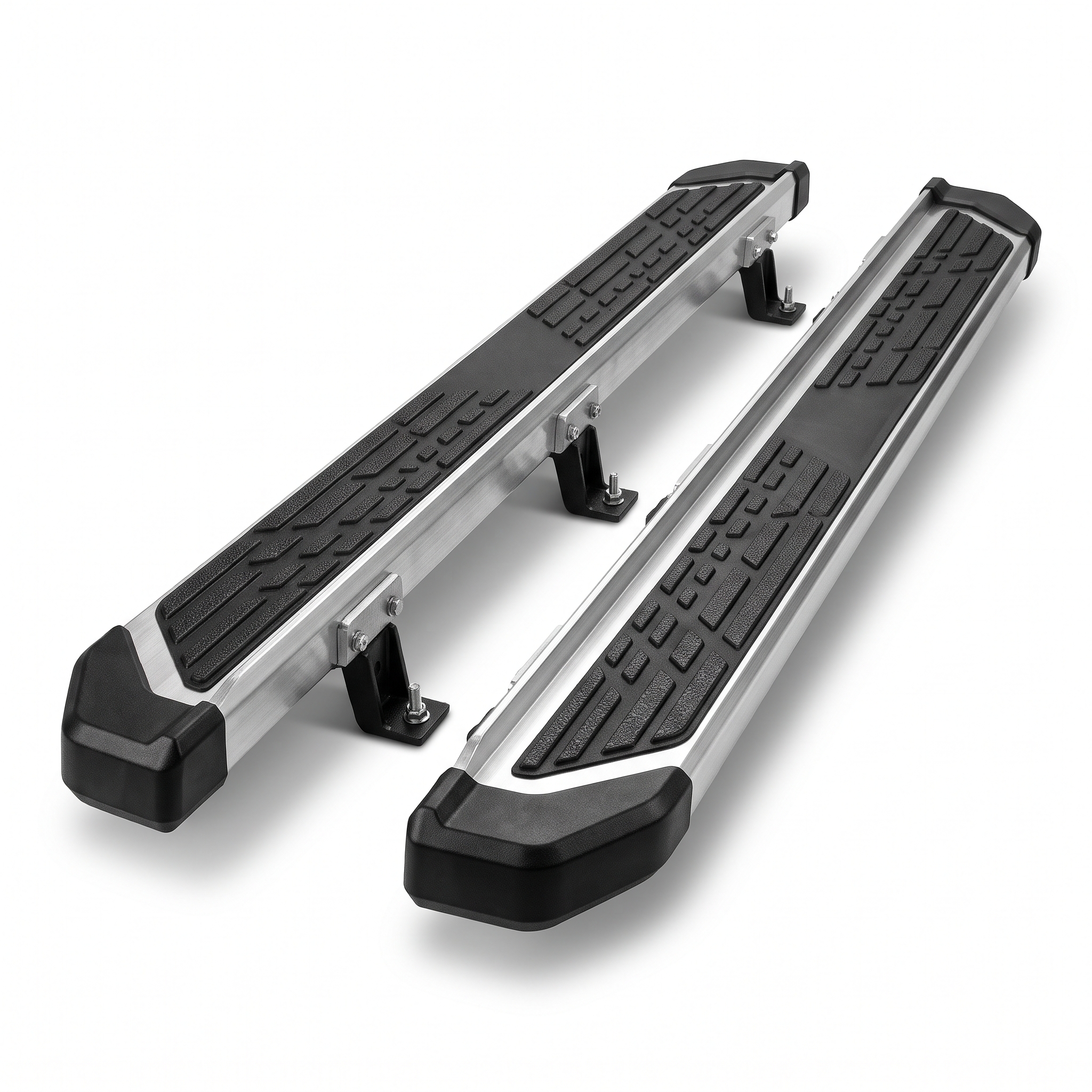
AI-generated visualization (for conceptual illustration purpose)
- Sport Bar : Decorative aluminum frame for pickup truck beds.
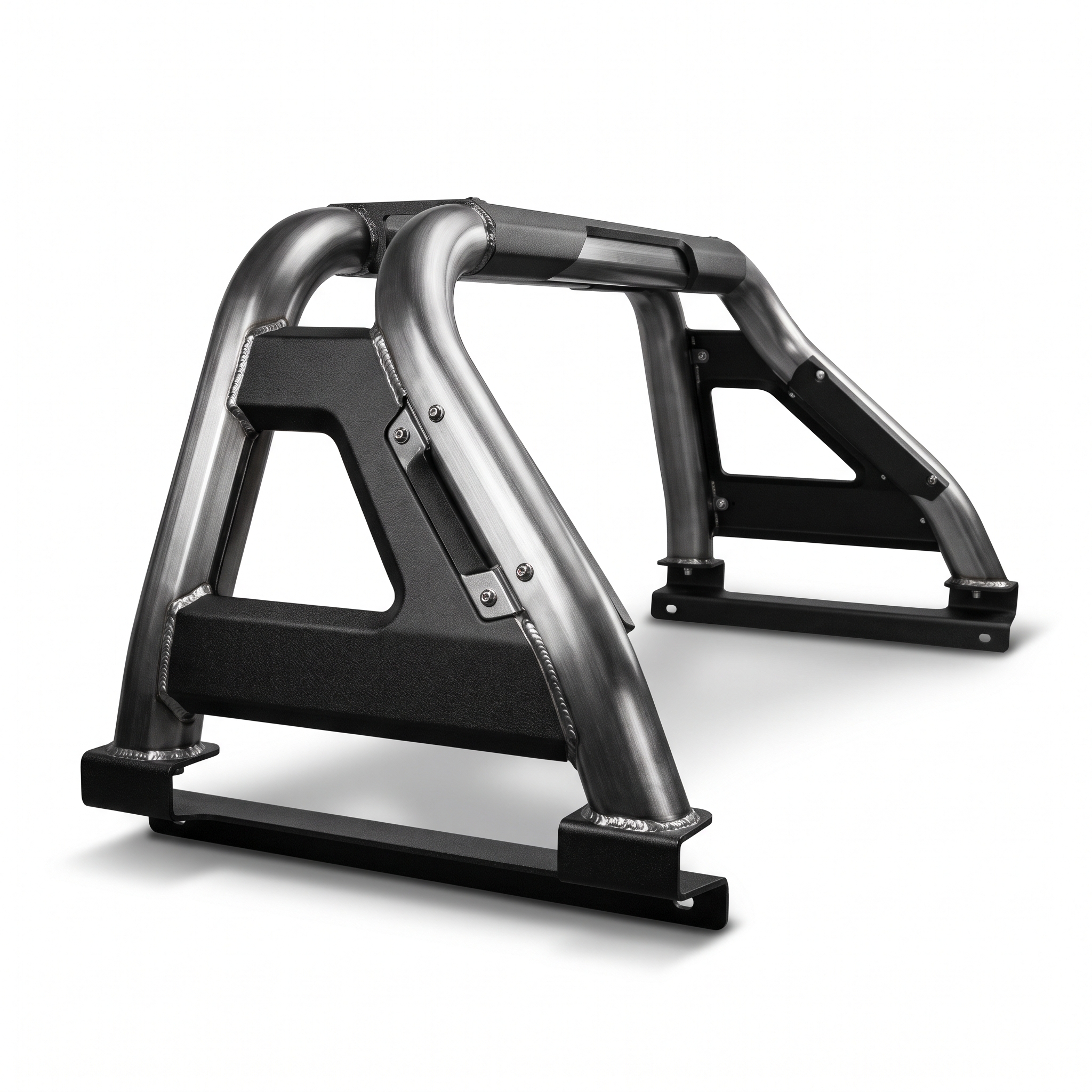
AI-generated visualization (for conceptual illustration purpose)
- Aftermarket Parts : Ready-to-install decorative accessories for various vehicle models.
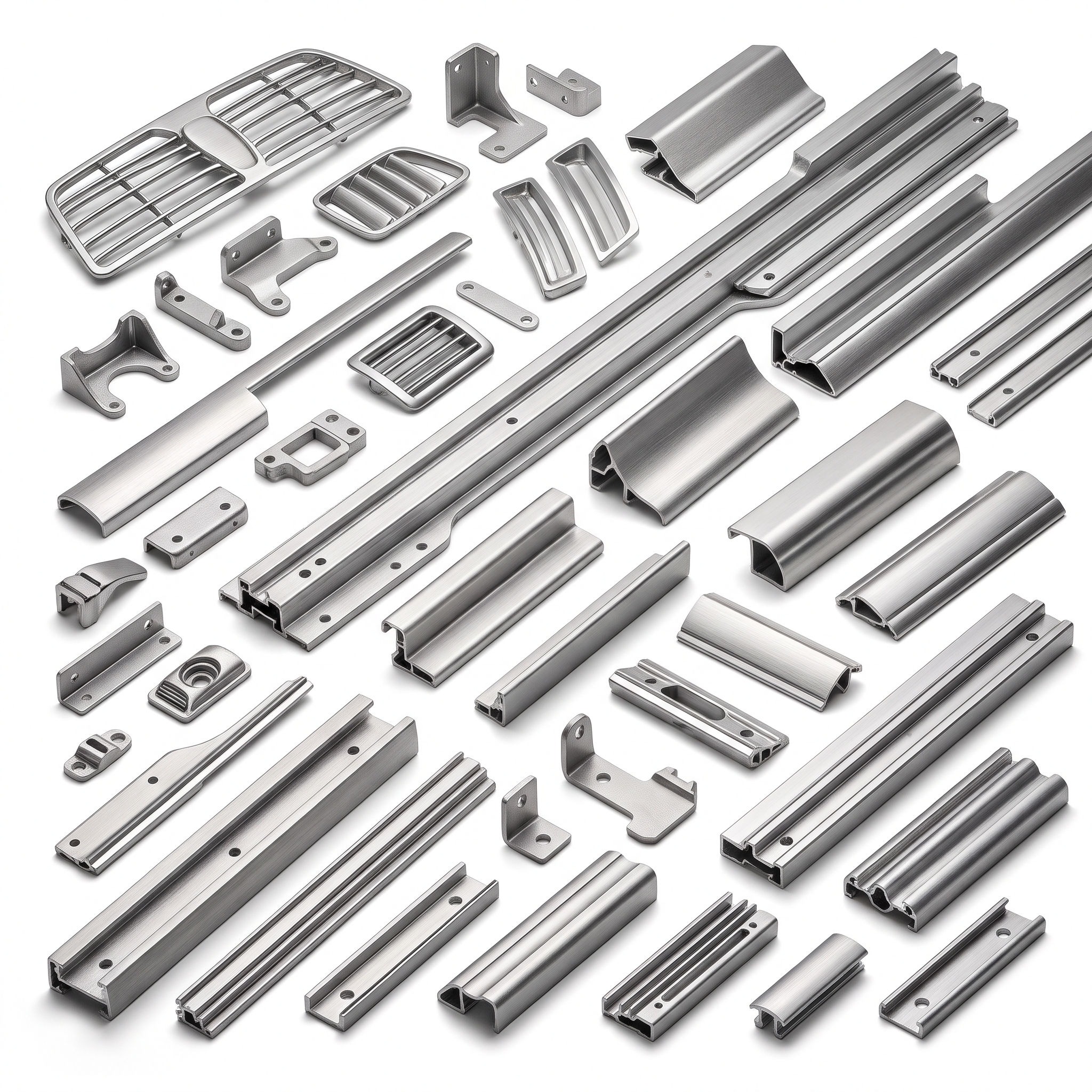
AI-generated visualization (for conceptual illustration purpose)
- Battery Tray : Aluminum structural enclosure designed to support and protect EV battery modules.
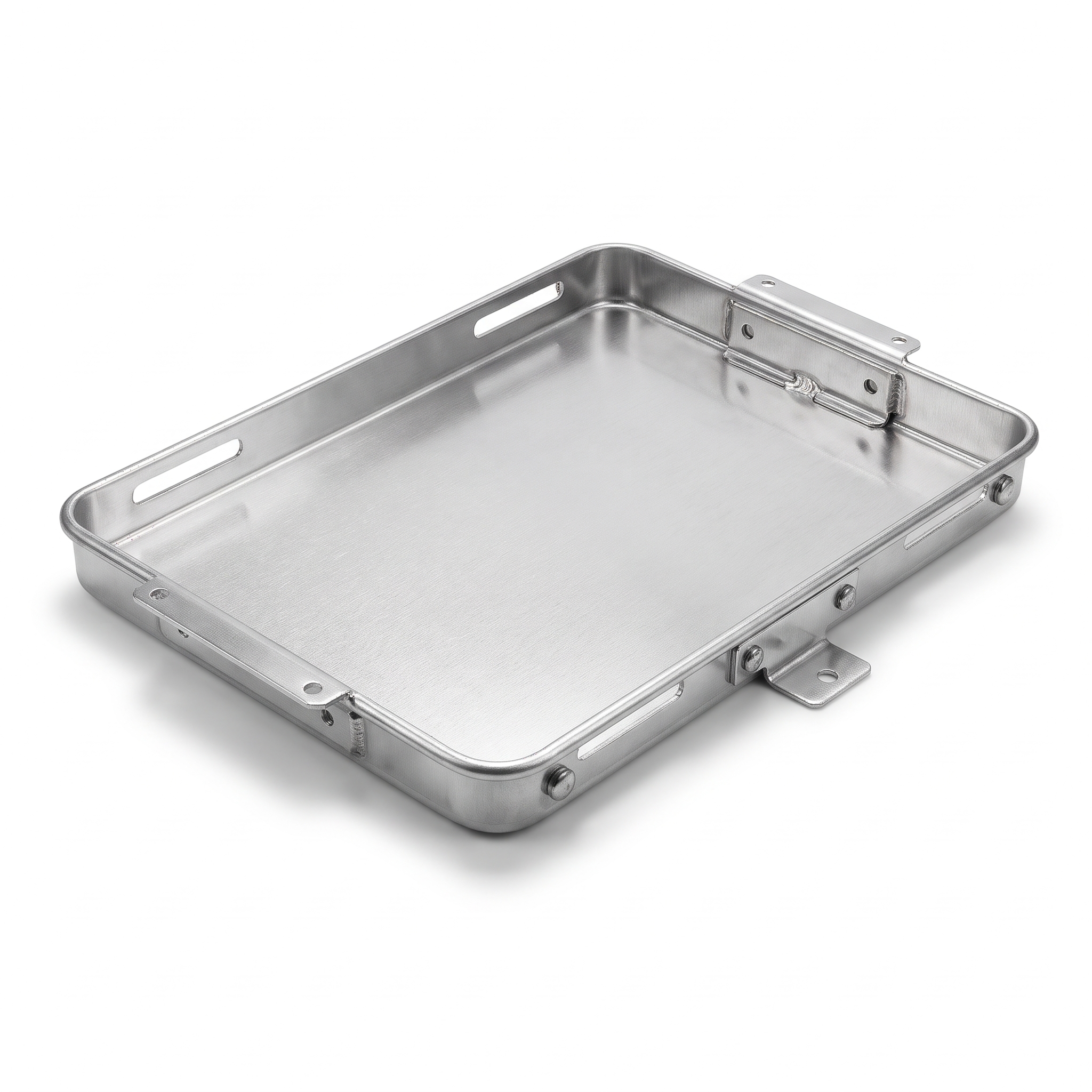
AI-generated visualization (for conceptual illustration purpose)
Challenges Suppliers Face in EV Component Manufacturing
Supplying aluminum to the EV industry involves far more rigorous and complex challenges than standard architectural applications.
- High Precision & Tight Tolerance : Component dimensions must remain consistently accurate to ensure a seamless fit with battery trays and exterior parts.
- Automotive Quality Standards : Parts must pass stringent tests for crashworthiness, tensile strength, and extreme thermal resistance.
- Thermal & Corrosion Management : Components must resist chemicals, humidity, and harsh weather conditions to prevent rust or degradation over time.
- Sustainability Requirements : Modern EV manufacturers demand suppliers who actively reduce their carbon footprint throughout the production process, starting from raw materials.
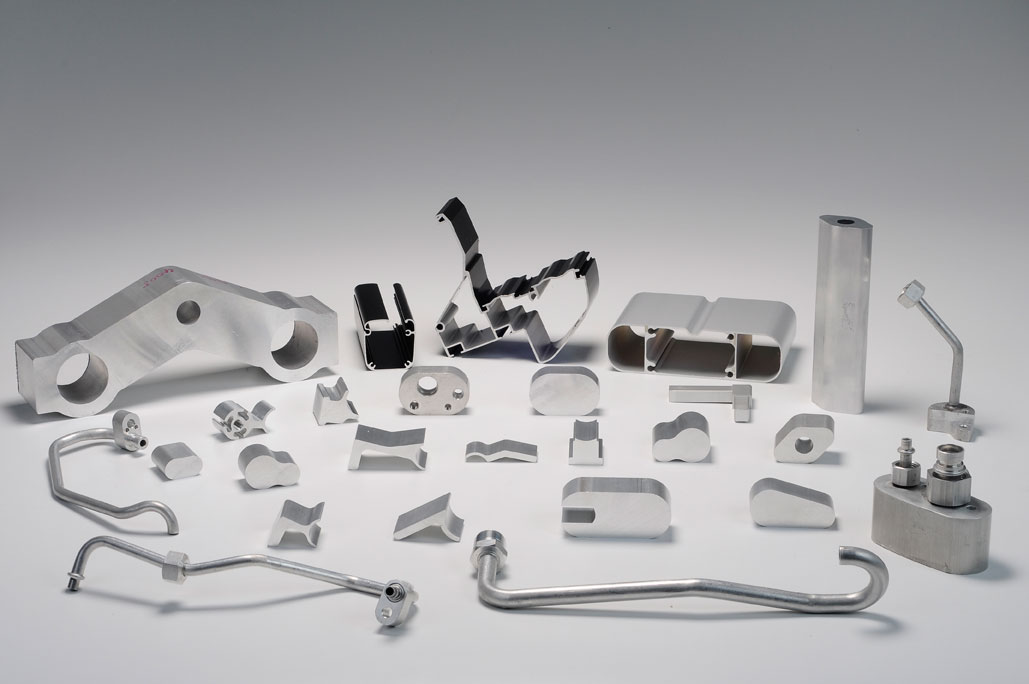
TOSTEM THAI : Ready to Meet EV Industry Demands
Leveraging global expertise in aluminum manufacturing, TOSTEM THAI goes beyond residential windows and doors to deliver high-precision aluminum components tailored for the automotive sector.
- Casting & Extrusion Technology : Equipped with state-of-the-art machinery and manufacturing processes to produce complex structural aluminum parts with high precision.
- TEXGUARD Surface Coating Innovation : TOSTEM THAI’s proprietary technology that protects aluminum surfaces against corrosion, scratches, and harsh weather conditions for long-lasting durability.
- Low-Carbon Aluminum : Elevating eco-friendly mobility with PremiAL R100 and R70—high-performance aluminum profiles made from recycled materials that tangibly reduce carbon emissions while maintaining world-class strength, durability, and precision.
Talk to Our OEM Engineering Team
Developing EV components or looking to switch to a domestic supplier? Send us your drawing for an engineering evaluation and quotation.
Request for Quotation (RFQ) : lixil.tostem.co.th/contact — Select "Request for quotation"
LINE OA : @tostemthai.oem
Email : sale_division@lixil.com
Phone : 062-195-9717, 093-140-0056


